


Cold Room
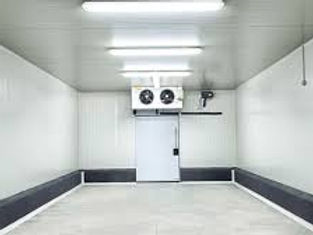
An ammonia cold room is a refrigerated storage space that uses ammonia (NH₃) as the refrigerant to maintain low temperatures for preserving perishable products like food, pharmaceuticals, and chemicals.
Ammonia-based refrigeration is widely used in large industrial cold storage facilities because of its efficiency, cost-effectiveness, and environmentally friendly nature. The cold room temperature can be altered according to the requitement.
Key Features of Ammonia Cold Rooms:
1. Ammonia-Based Refrigeration System
-
Uses compressors, evaporators, and condensers to circulate ammonia.
-
Can be configured for direct or indirect refrigeration systems.
2. Temperature Control
-
Can maintain temperatures ranging from +10°C to -40°C, depending on the application (chillers, freezers, or blast rooms).
3. Heavy-Duty Insulated Panels
-
Cold rooms are built with PUF (polyurethane foam) insulated panels to prevent heat gain.
-
Ensures energy efficiency and consistent internal temperature.
4. Industrial Capacity
-
Ideal for large-volume storage in industries such as:
-
Food processing
-
Dairy
-
Meat and seafood
-
Pharmaceuticals
-
Cold logistics
-
5. Safety Systems
-
Ammonia is toxic and flammable at high concentrations, so systems include:
-
Leak detection sensors
-
Emergency ventilation
-
Safety shutoff valves
-
Alarm systems
-
6. Durable Construction
-
Designed for heavy usage, with materials resistant to corrosion and moisture.
-
May include stainless steel flooring and heavy-duty doors.
7. Energy Efficiency
-
Ammonia systems are among the most energy-efficient refrigeration solutions, especially for large-scale operations.
8. Scalable Capacity
-
Available in various room sizes product capacities.
9. Safety Features
-
Includes ammonia leak detectors, emergency ventilation, and shutdown systems for safe operation
_jfif.jpg)